
Ishikawa:Kaga Hot Spring Resort A Relaxing Journey to Enjoy the Beautiful Hot Springs and Delicious Cuisine of the Sea of Japan
The information provided is current as of May 2026.
About This Area
Kaga Onsen, Ishikawa Prefecture
Reach Kaga Onsen from the castle town of Kanazawa in no time by Hokuriku Shinkansen or bus. Pure water from Mount Hakusan, a rich food culture nurtured by the Sea of Japan, and hot springs with 1,300 years of history bring a quiet luxury to this land. Morning mist over the baths, the craft of Kutani ware and Yamanaka lacquerware, fresh seafood landed at Hashidate Port — it all resonates gently but deeply with every sense. Time to walk slowly, taste, and soak is the restorative essence travelers seek here. From a weekend escape to a longer stay, the places below should make your time in Kaga Onsen truly memorable.
Good to Know
The Hokuriku Arch Pass covers JR limited express, express, and local trains (including Shinkansen) across the Hokuriku, greater Tokyo, and Kansai areas — excellent value when traveling from Tokyo or Osaka through the region. In winter, heavy snow can delay or suspend transport to Kaga Onsen; check the latest information at stations and on your phone before you go.
What You Can Do Here
Soak in hot springs with more than a millennium of history
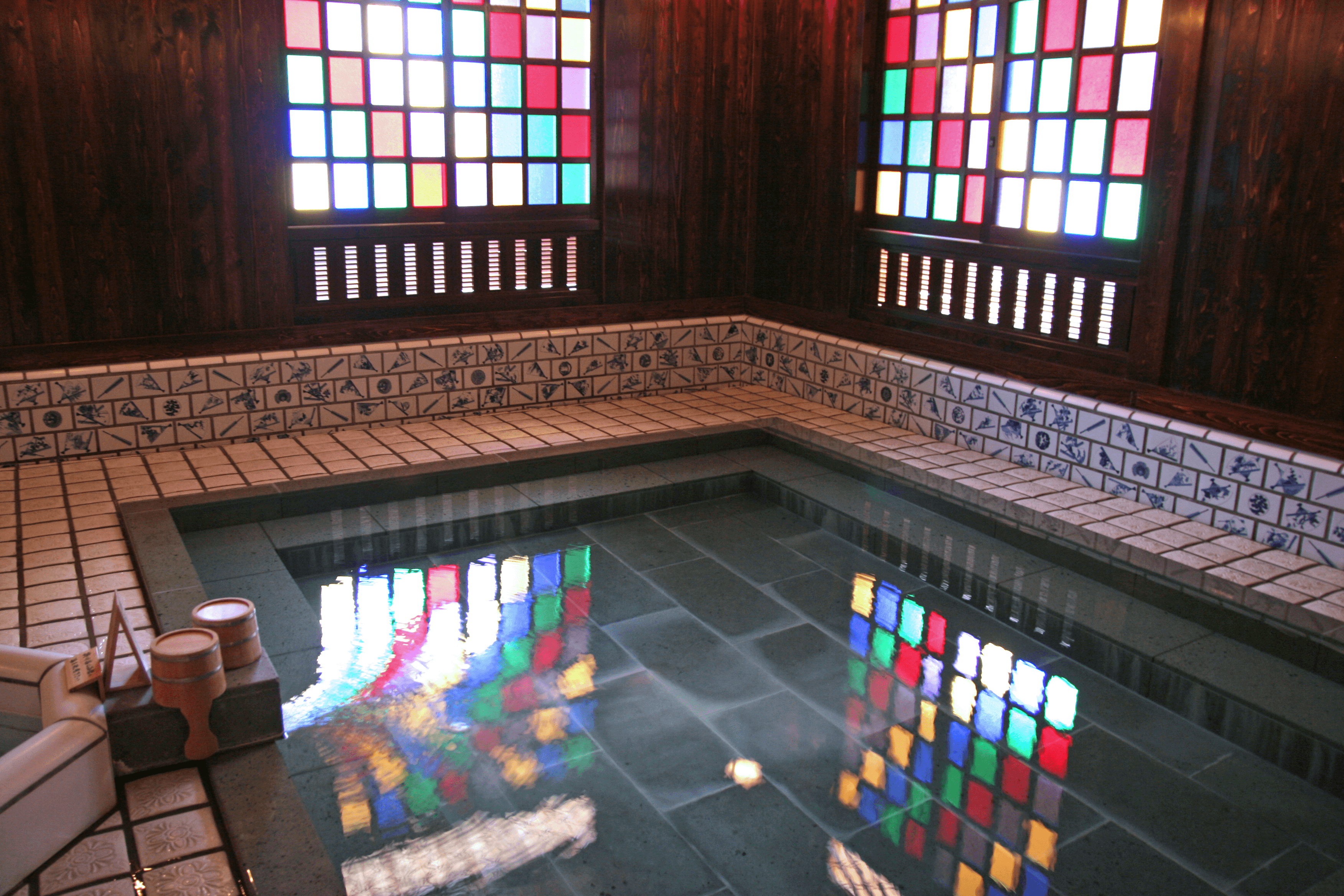
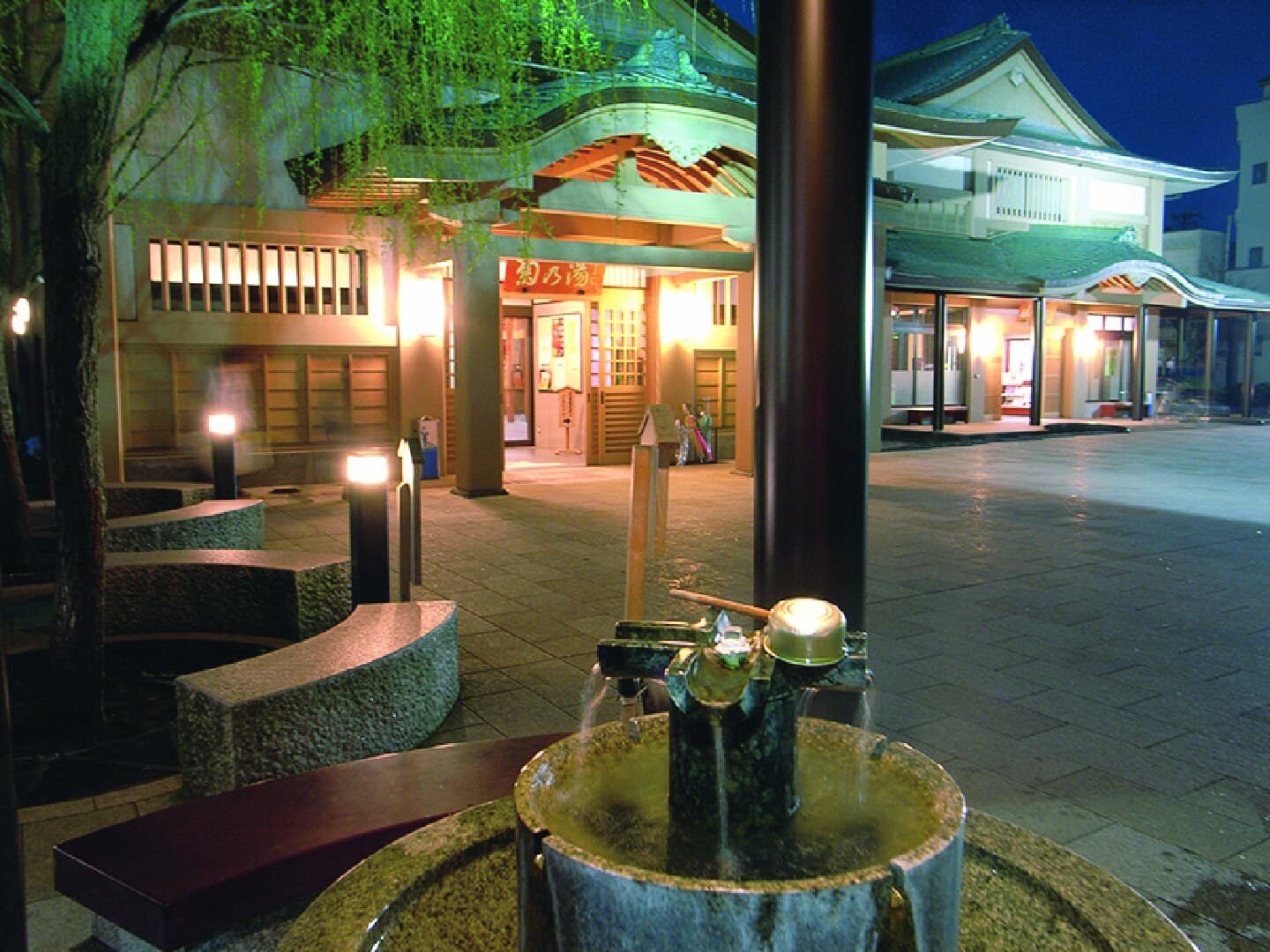
Distinctive onsen towns loved by writers and artists since long ago dot the area, first discovered over 1,300 years ago. Hop between baths and enjoy the varied interiors — from communal baths tiled in Kutani ware to stylish stained-glass-lit waters.
Savor seafood from the Sea of Japan
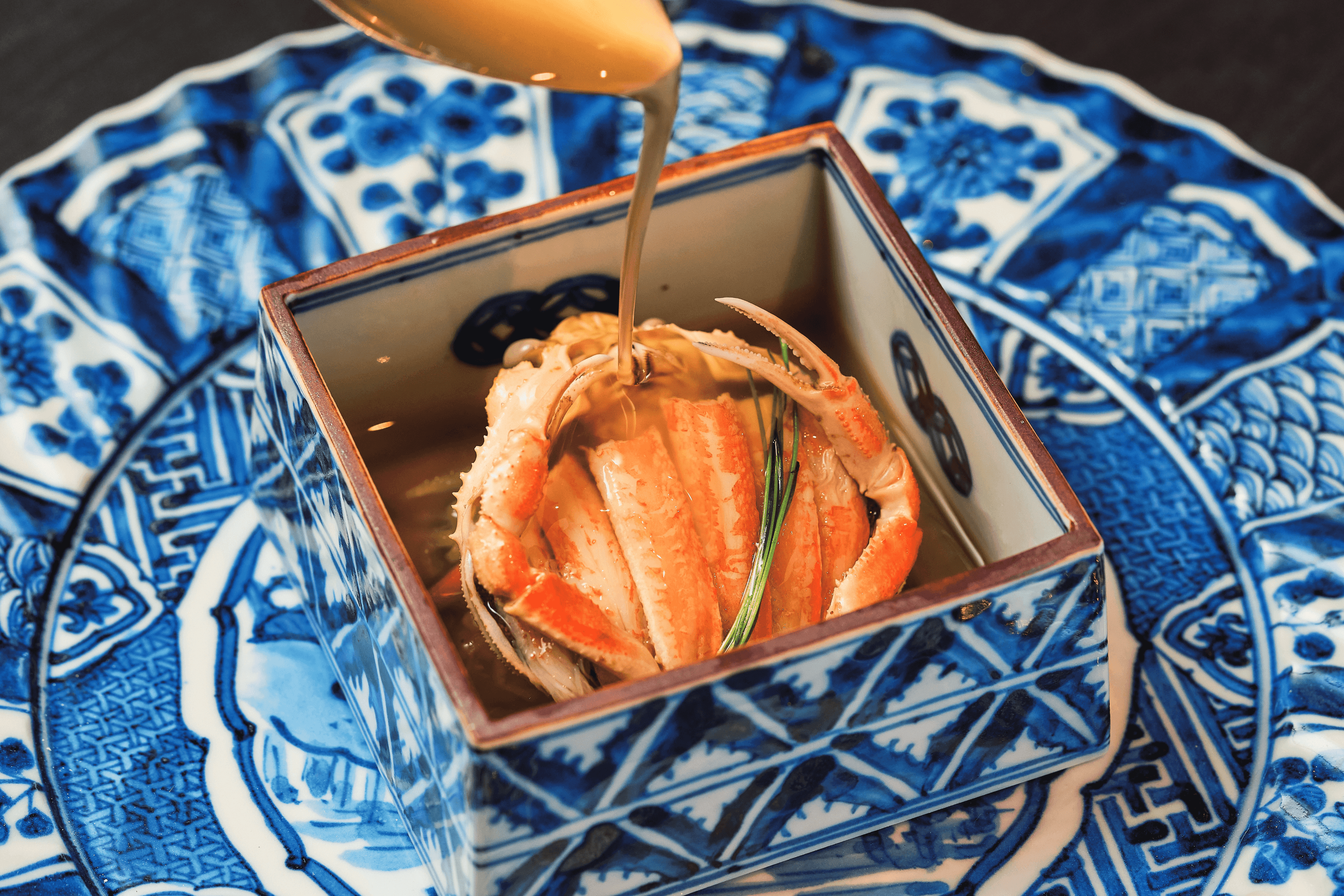
Taste the bounty where cold and warm currents meet. Winter snow crab is one of Japan's iconic seasonal flavors — a delicious reminder of how this region and the sea belong together.
Stroll classic Sea of Japan scenery
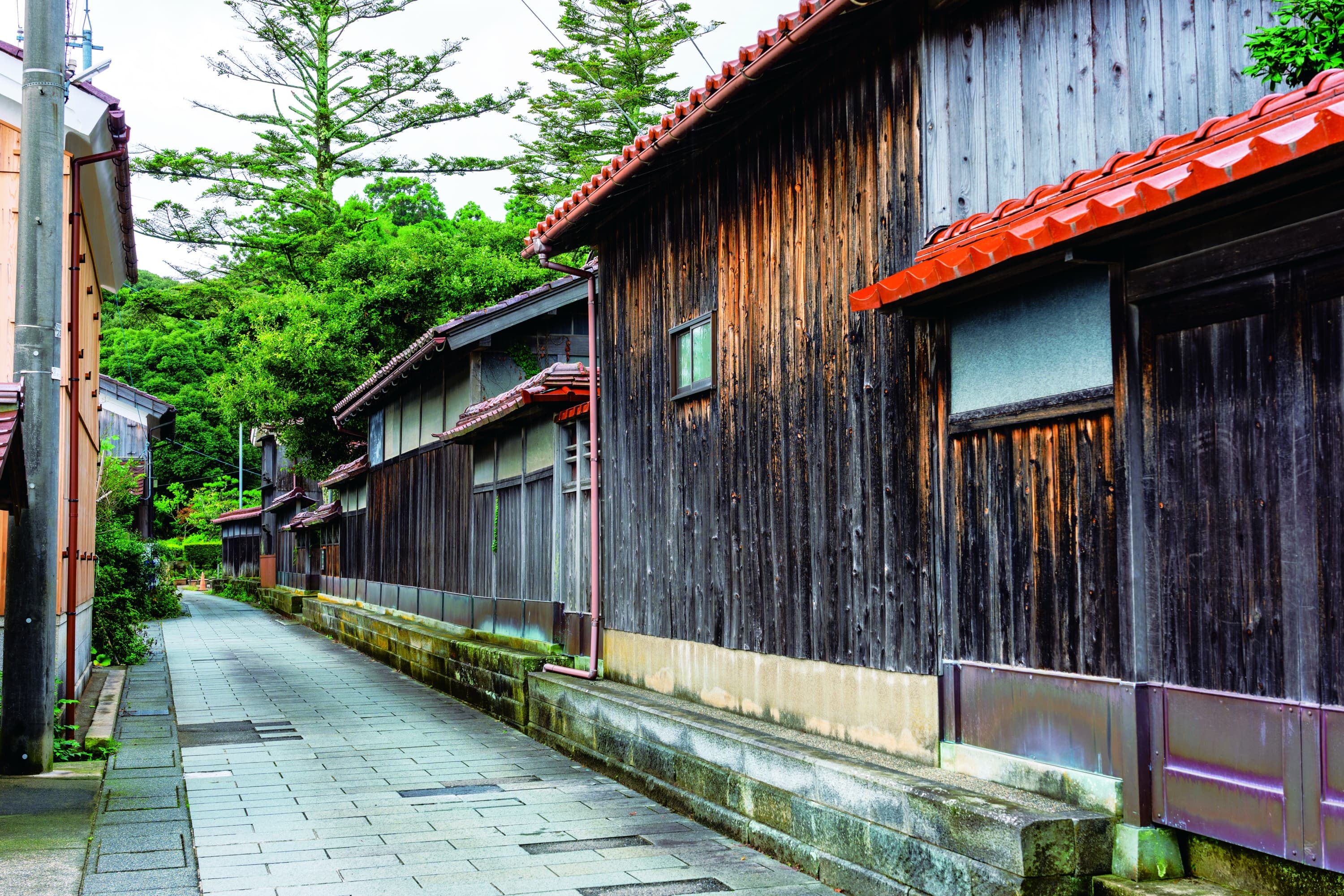
Hashidate, a nationally designated preservation district, still has red-tiled roofs and wooden fences from the shipowners' quarter. Walk the streets once called "Japan's wealthiest village" and feel the history of fishing and shipbuilding on the Japan Sea.
Spot Details
Yamashiro Onsen Ko-sōyu (Public Bath house)
3 min walk from Yamashiro Onsen bus stop
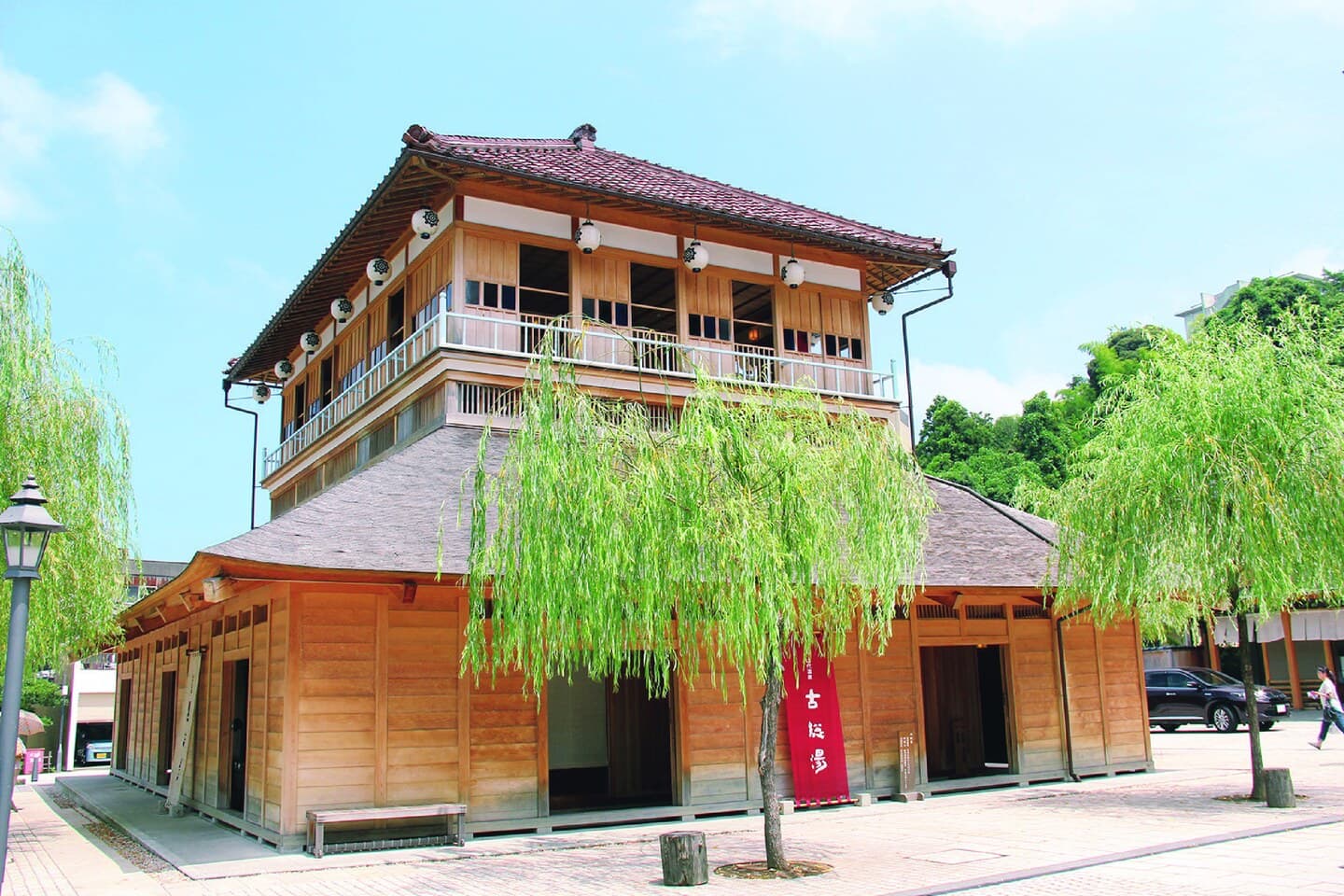
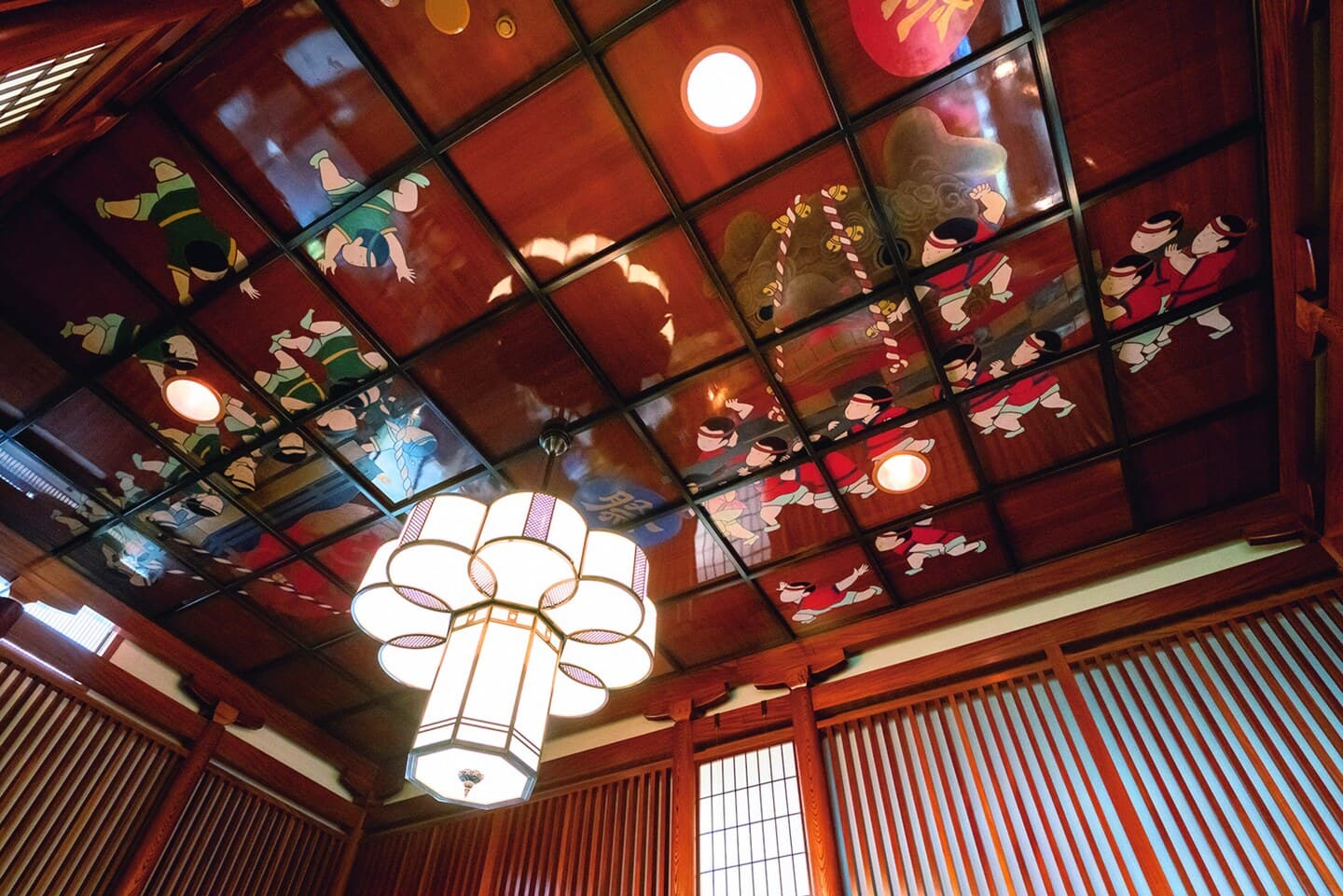
A faithful restoration of a Meiji-era public bath. Period interiors include wiped-lacquer plank walls, hand-painted Kutani tiles by contemporary artists, and colorful stained glass for a retro-modern mood.
Yamanaka Onsen Kiku-no-yu (Public Bath house)
6 min walk from Yamanaka Onsen bus terminal
Men's and women's baths stand in separate buildings a short distance apart; both tubs are deep enough to stand waist-deep. The clear, slightly hot water is said to warm you through — many visitors come from far away for it.
Kai Kaga
3 min walk from Yamashiro Onsen bus stop
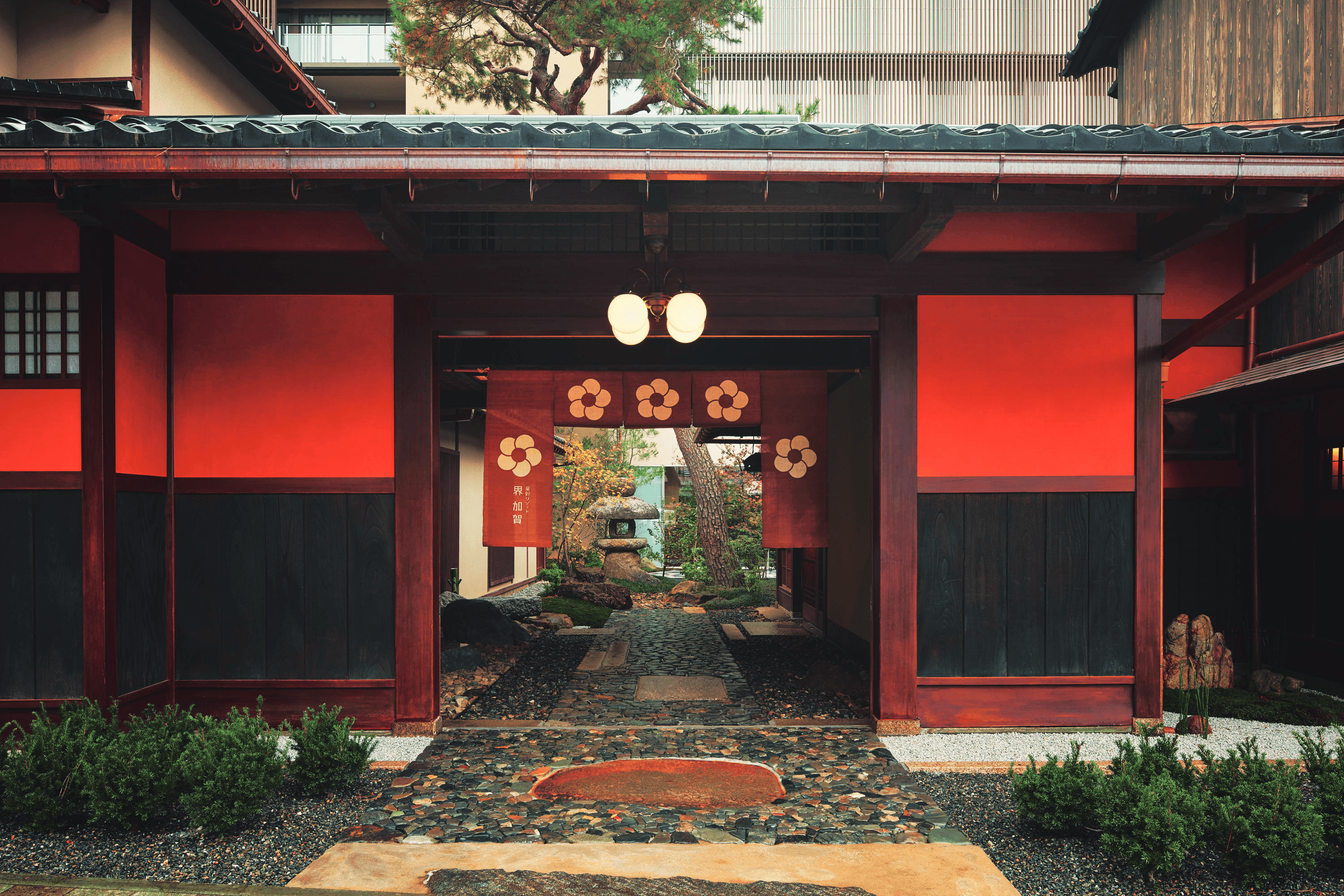
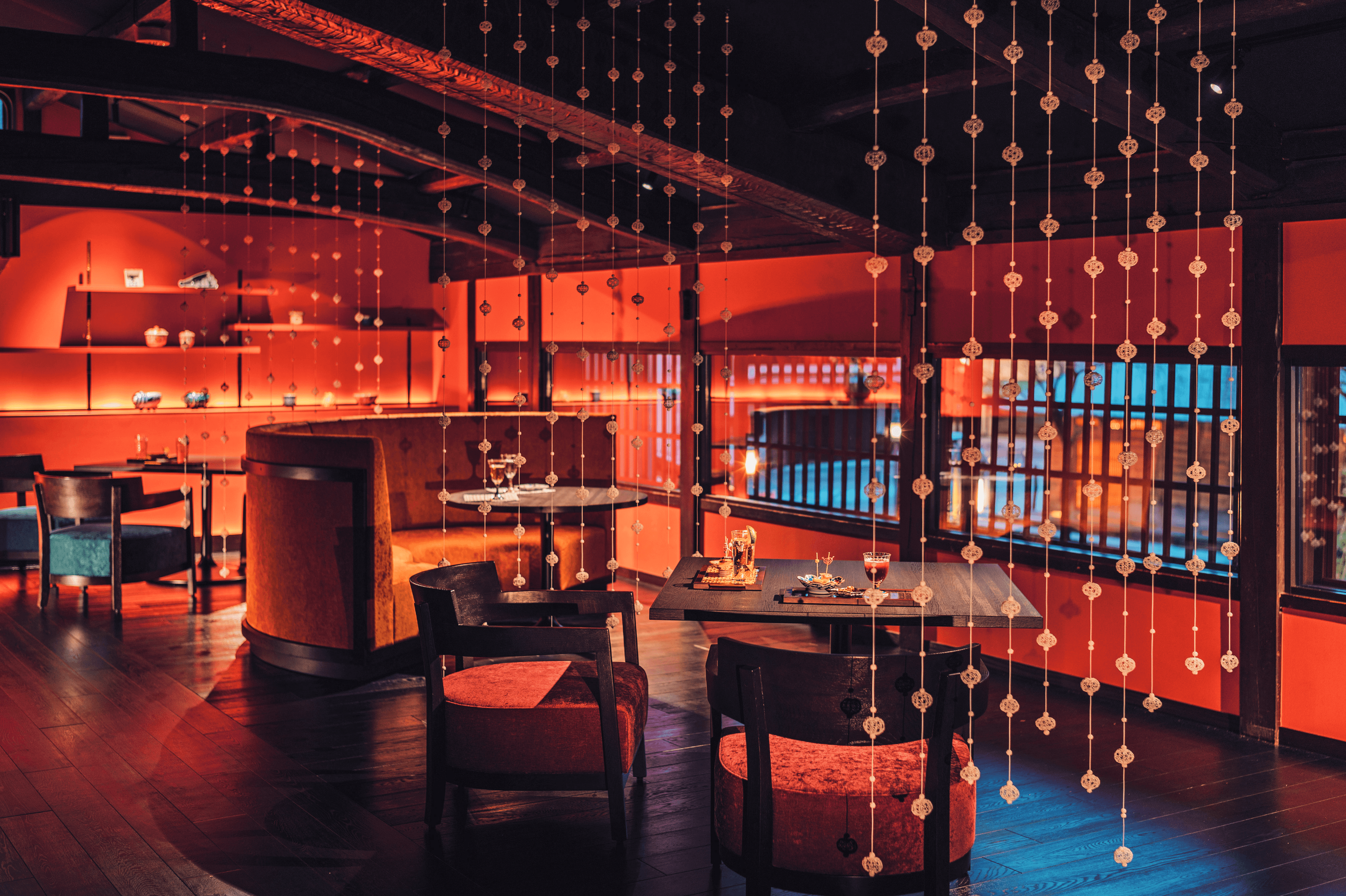
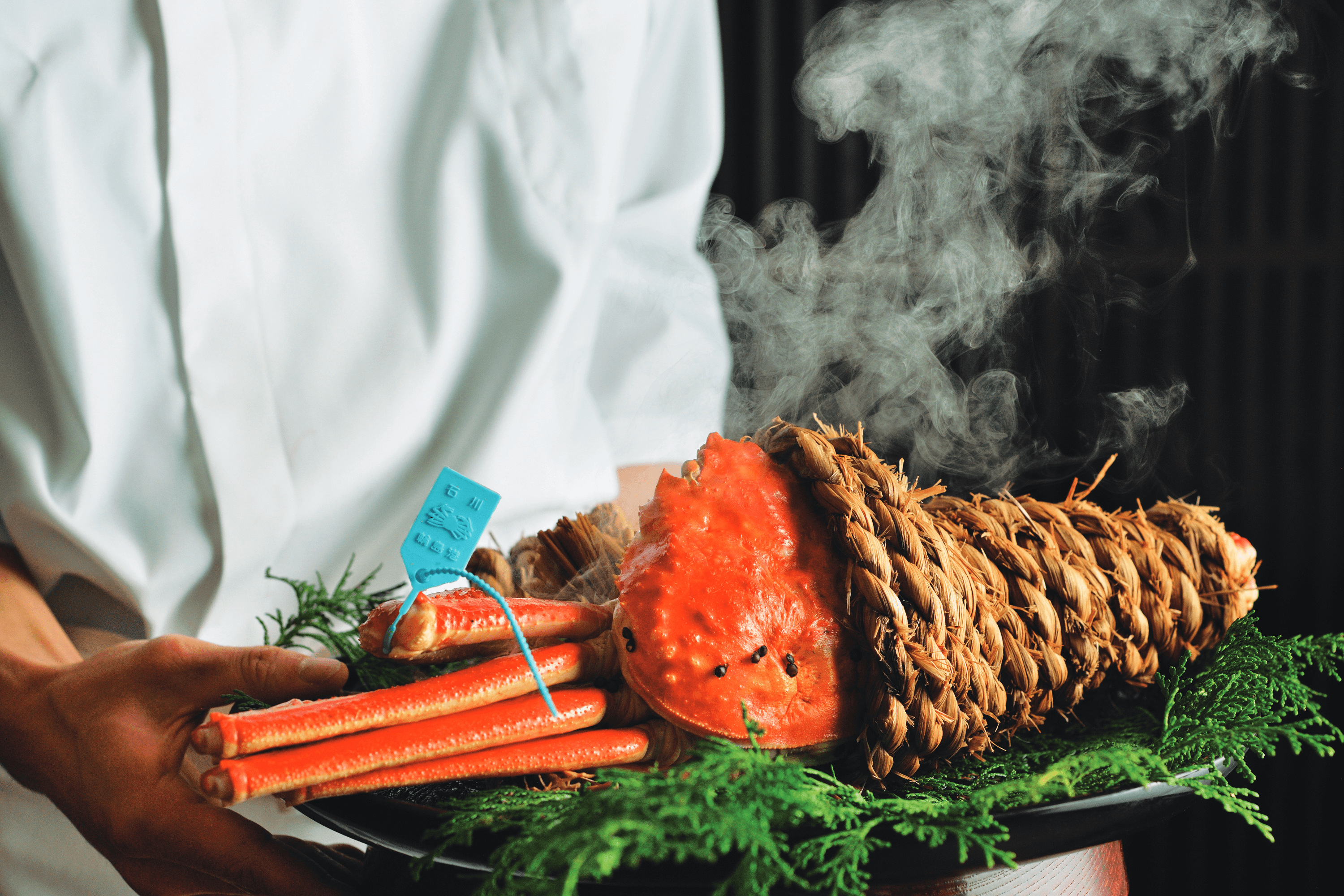
Stands in the heart of the "Yunogawa" hot-spring quarter around Ko-sōyu. Enjoy refined Kaga style: registered tangible cultural property buildings and a tea room, guest rooms accented with traditional crafts, cuisine shaped by Rosanjin (Kitaoji Rosanjin)'s philosophy and his connection to Yamashiro Onsen, and powerful Kaga lion dances.
Kappō Morimoto
5 min walk from Yamashiro Onsen East bus stop
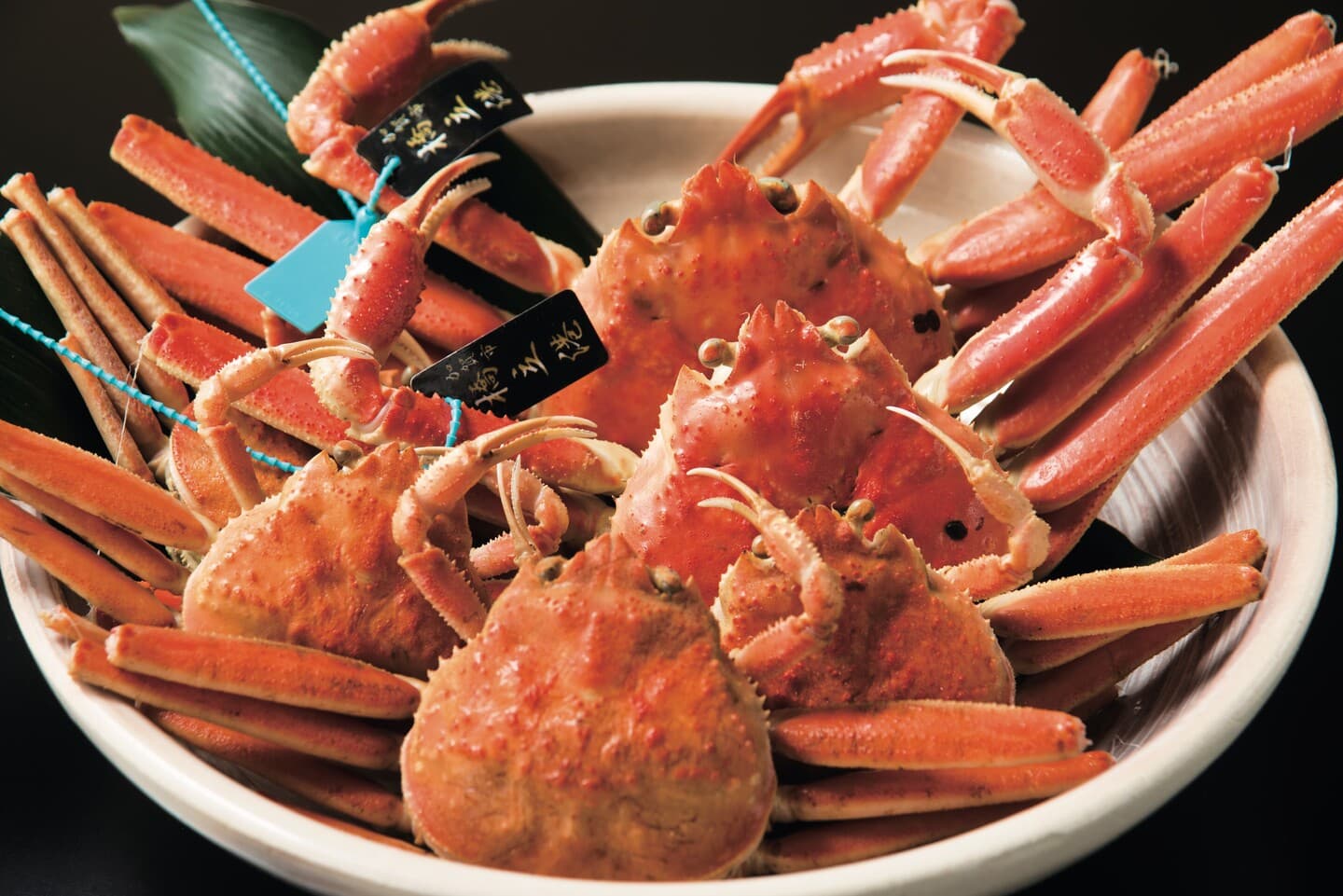
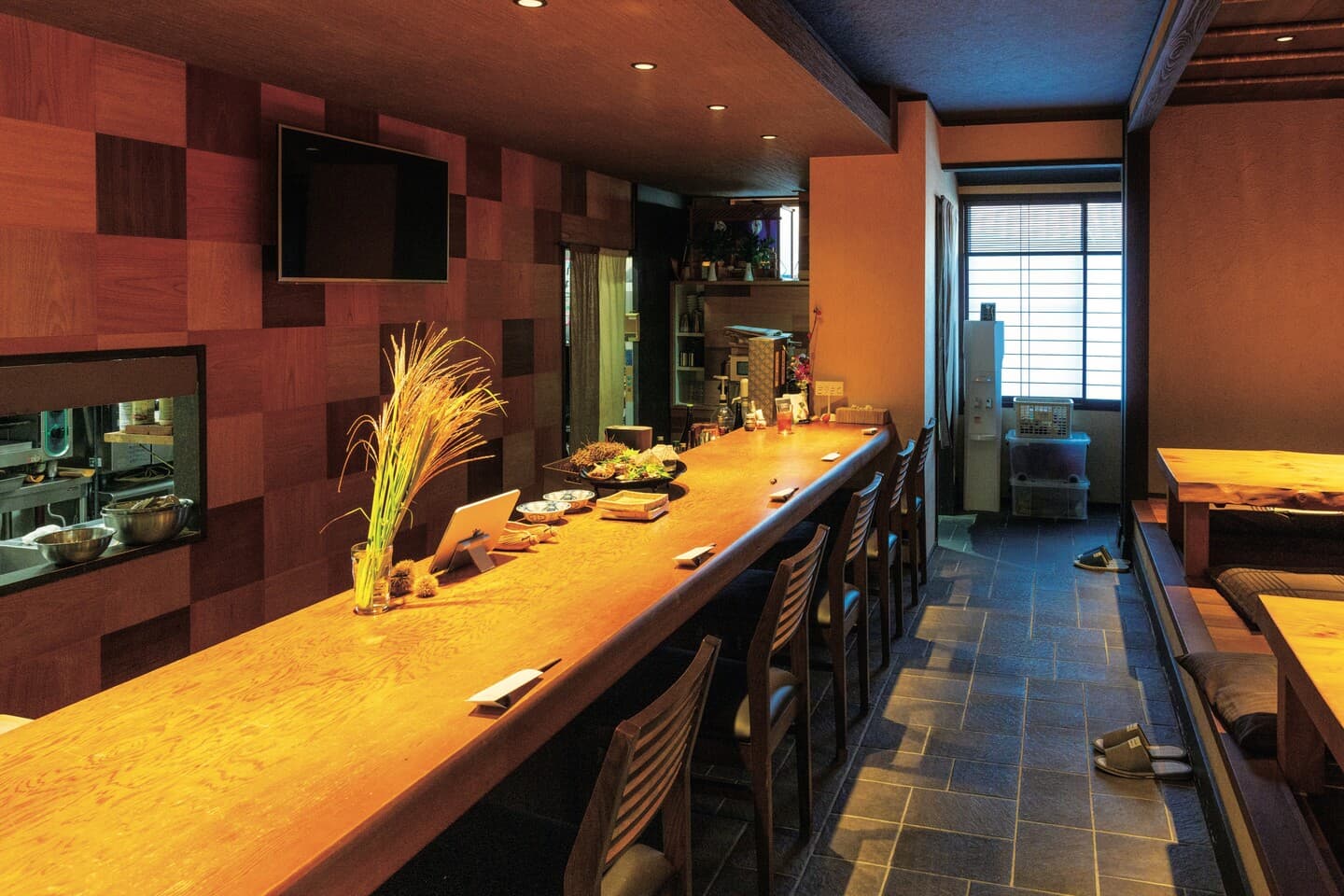
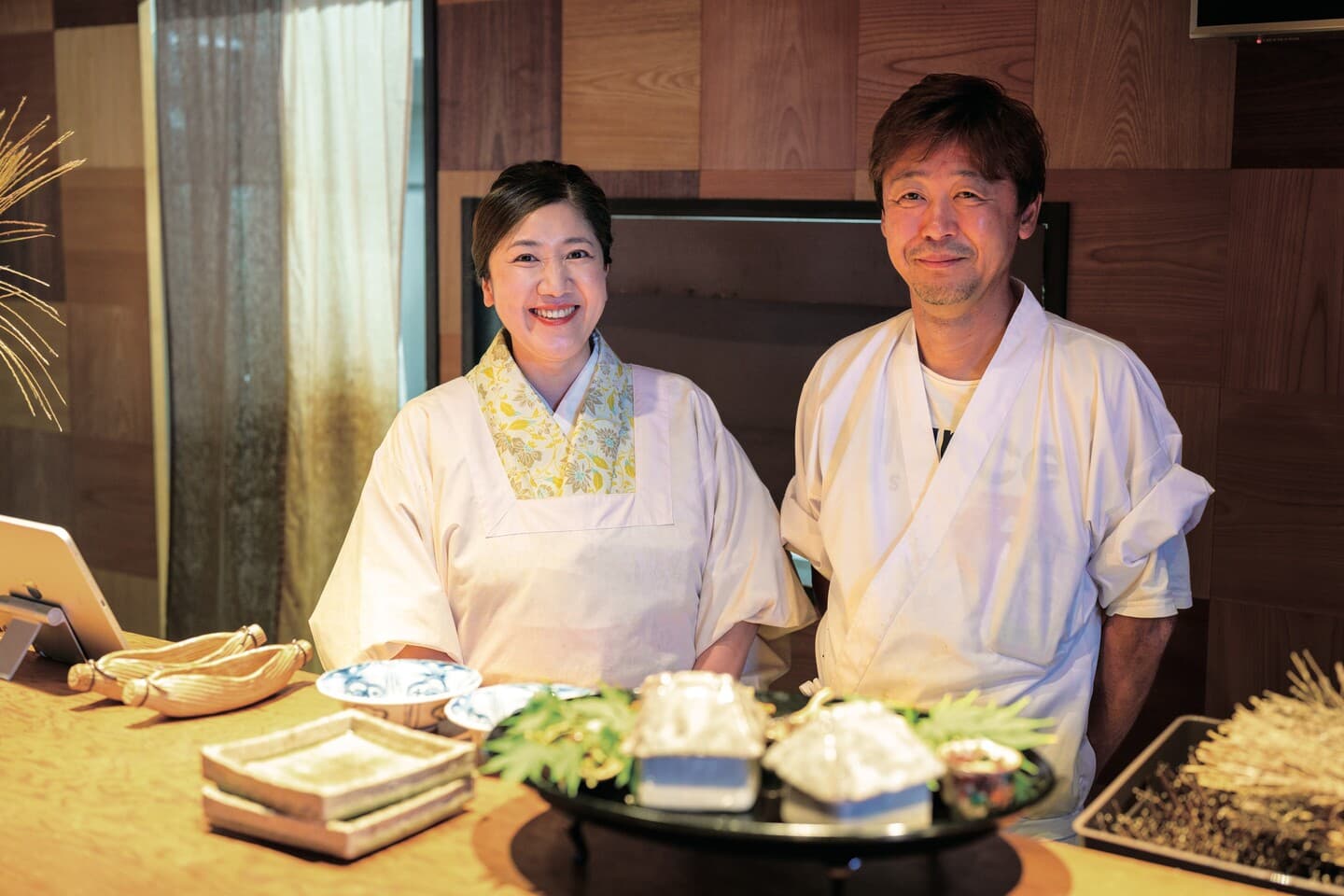
A quiet kaiseki restaurant a step off the main spa avenue, focused on seasonal Ishikawa ingredients. Winter highlights include Kano crab, plus nabe with fugu, anglerfish, and cod. Local vegetables appear in dishes such as lotus-steam — a satisfying range in one meal.
Kaga City Hashidate (Important Preservation District)
Hashidate bus stop
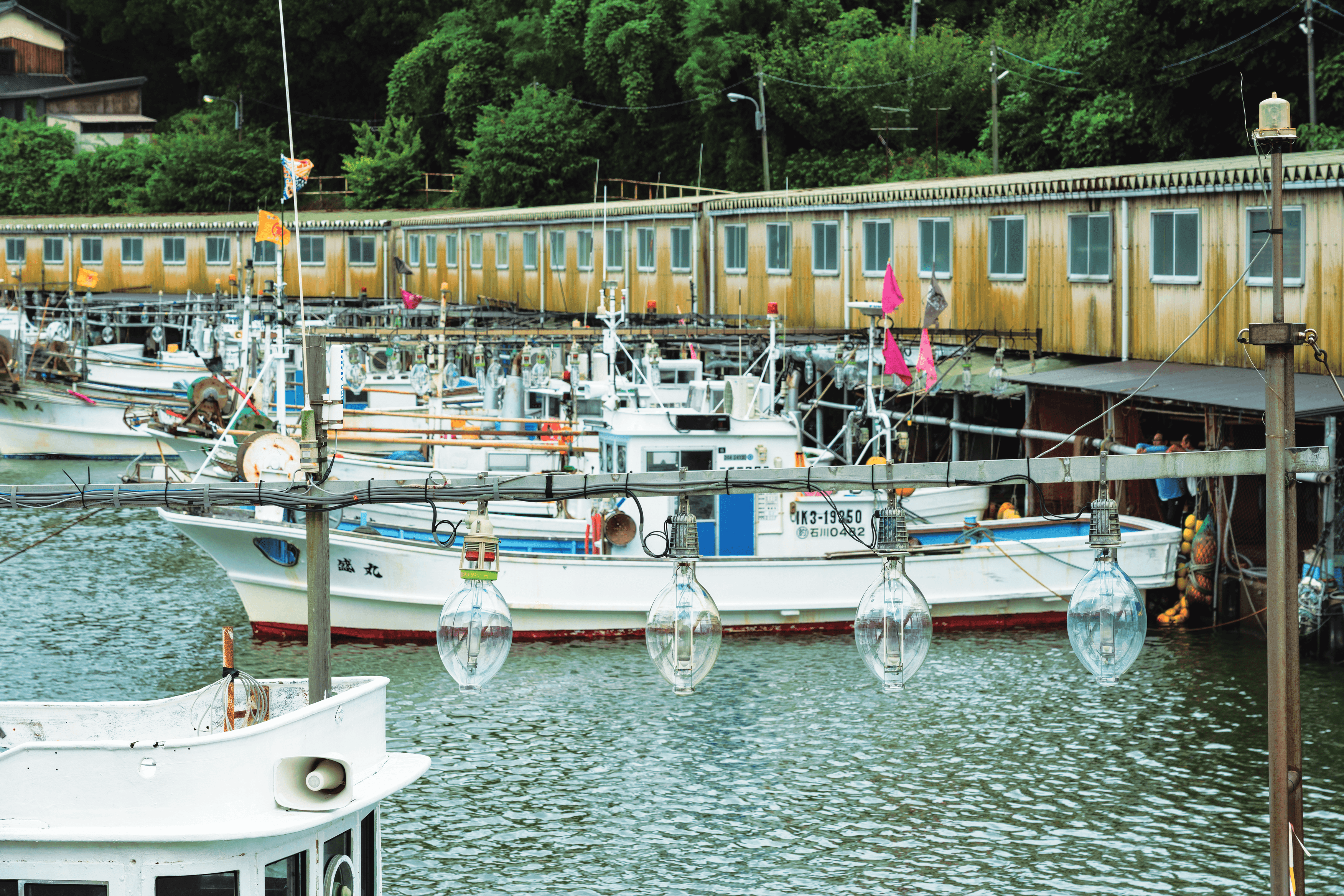
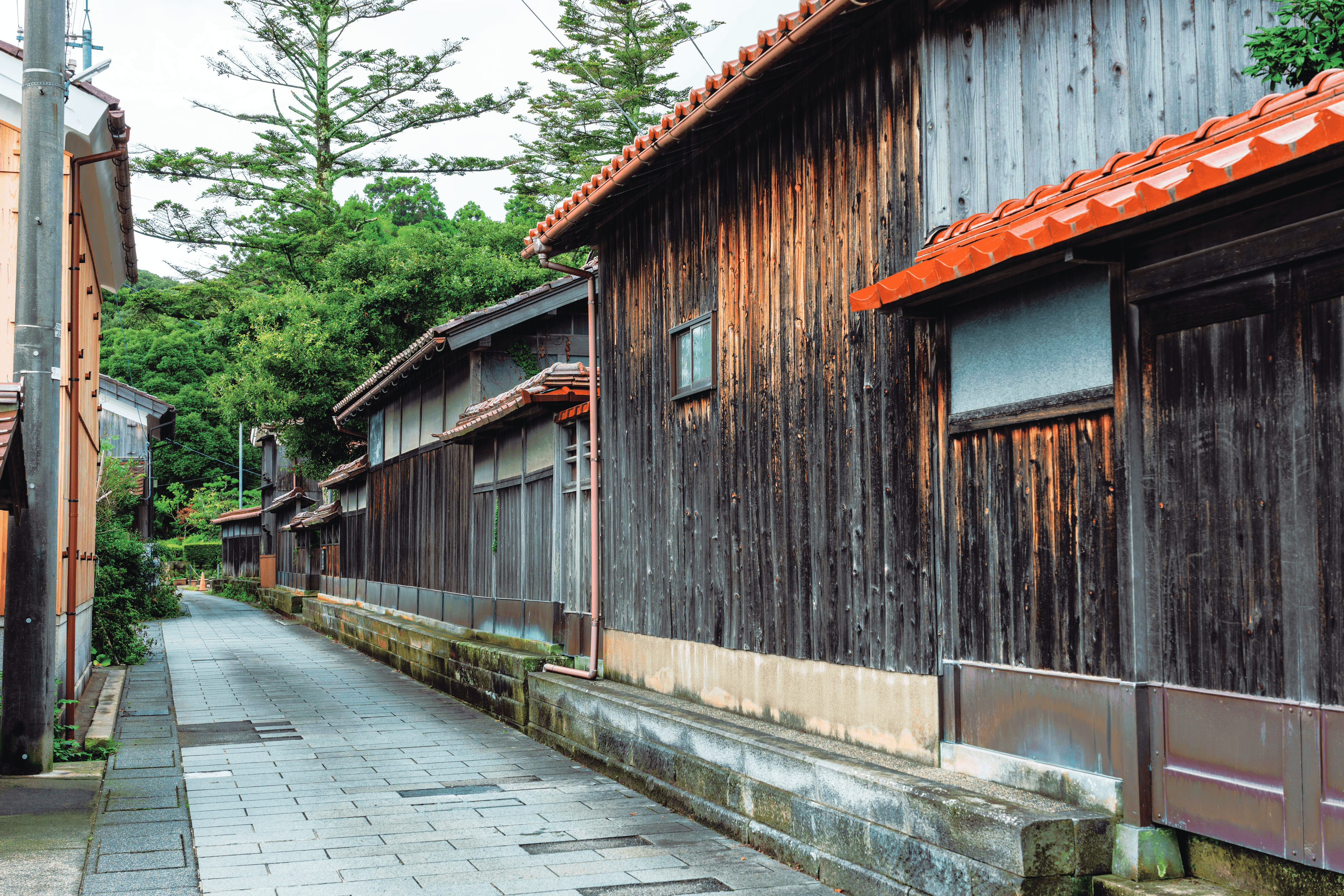
A port town that flourished on Kitamaebune coastal trade. The preservation district of latticed townhouses and shipowners' homes still breathes the prosperity and culture of the Japan Sea. Stroll in peace. To learn how people lived then, visit "Kitamaebune Shipowner's Residence Zōrokuyen": 10:00–16:00, open daily (occasional closures), ¥400.
More to Explore
Extra spots worth a detour if your schedule allows
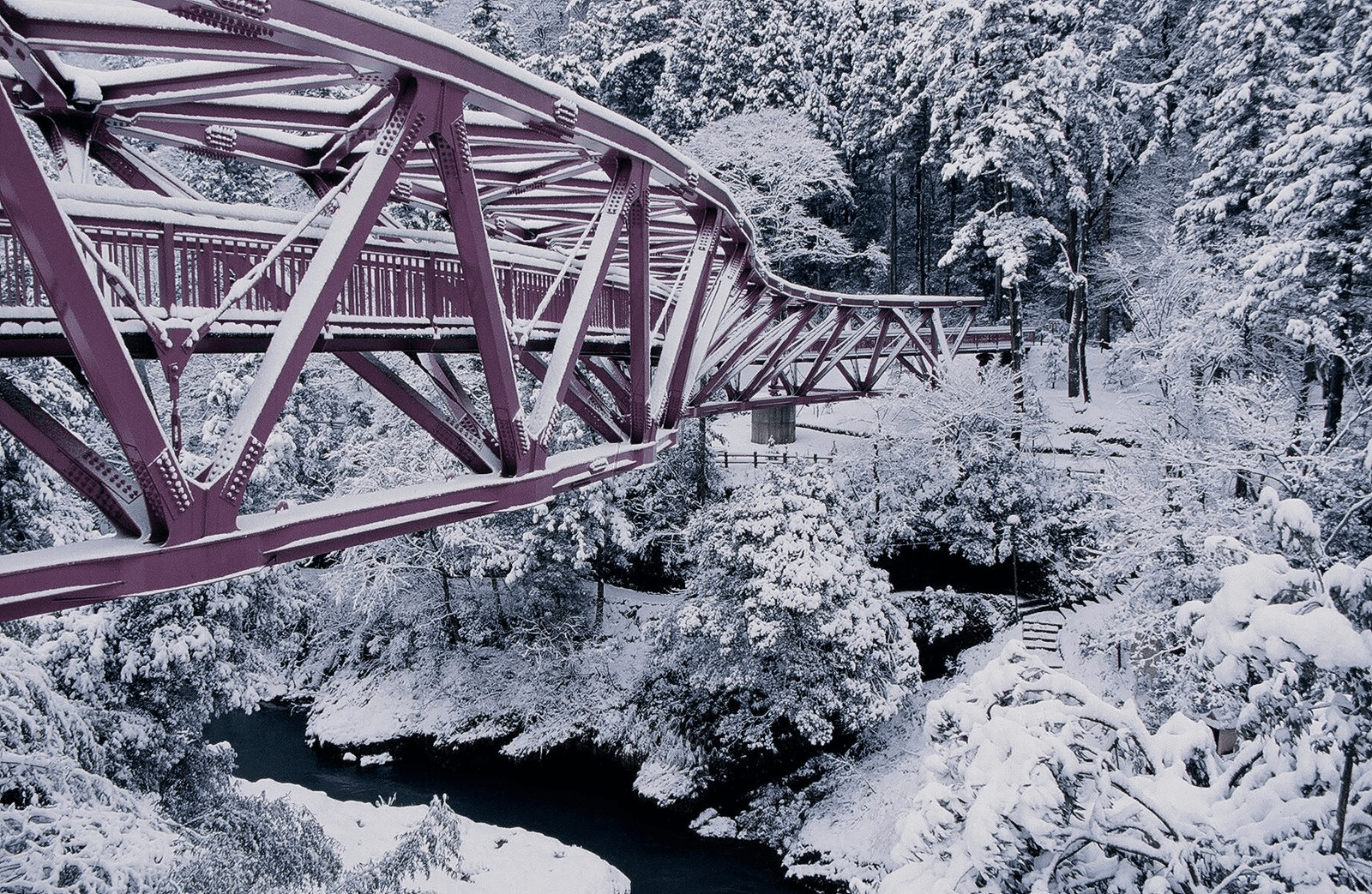
Kakusenkei Gorge
A scenic gorge along the Daishoji River at the heart of Yamanaka Onsen. Seasonal valley views and riverside paths let you enjoy a nature stroll without leaving the hot-spring town.
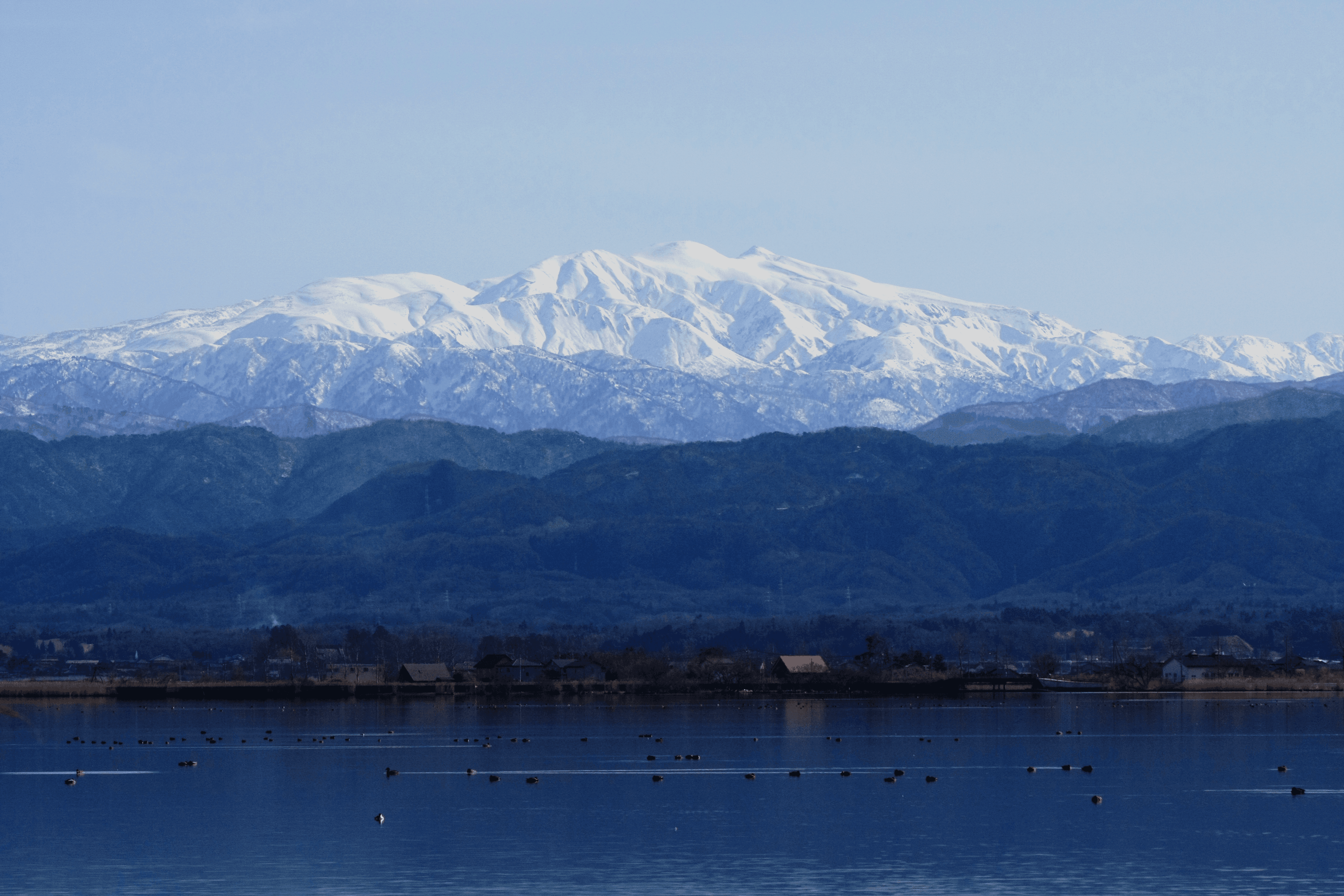
Lake Shibayama & Mount Hakusan
One of the Three Lakes of Kaga. From Lake Shibayama you face sacred Mount Hakusan straight ahead — its reflection on the water is beautiful.
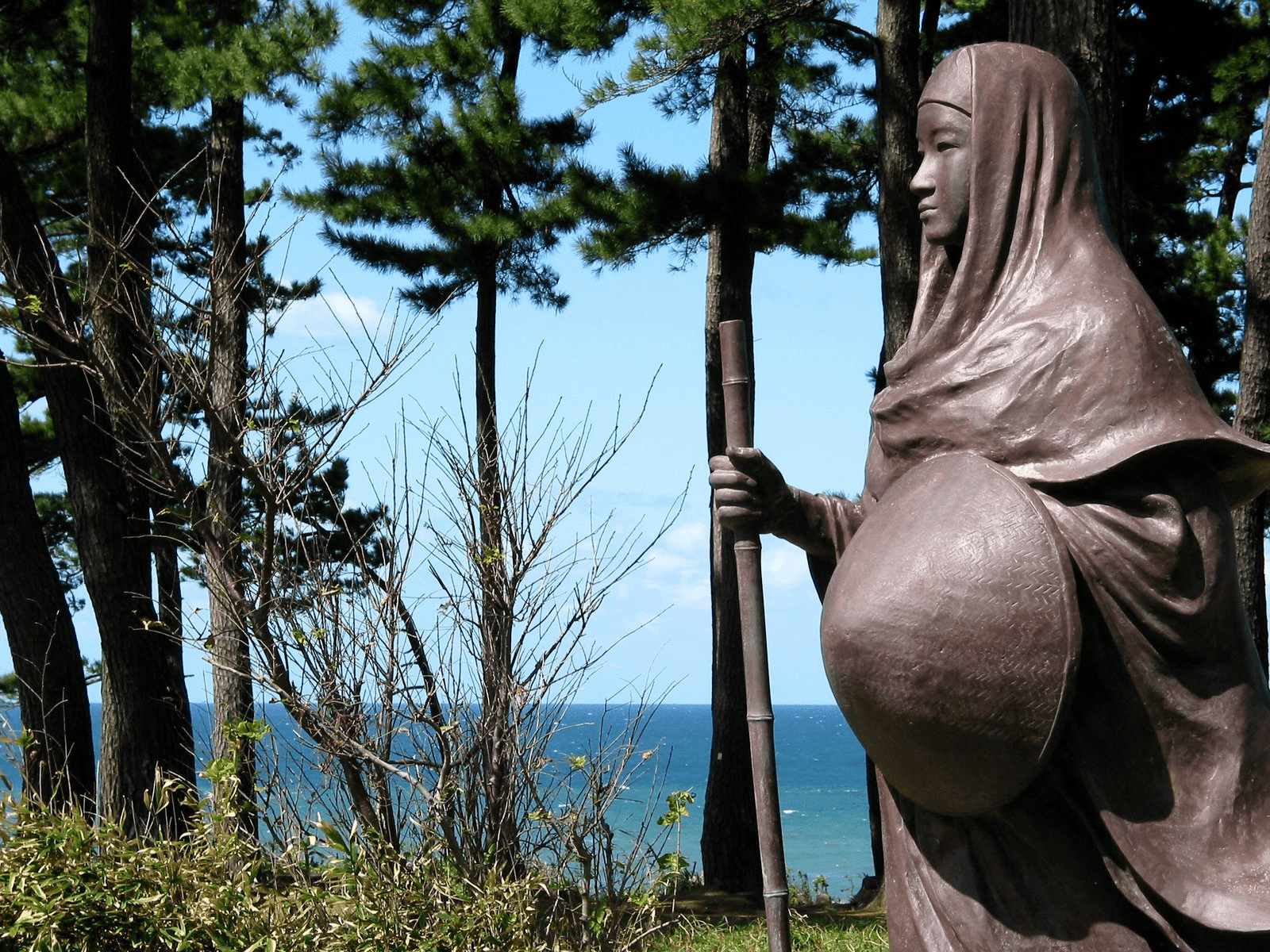
Cape Amagozen
A dramatic cape jutting into the Sea of Japan, where exposed rock, wind, and waves meet. From the cliffs, the open sea and sky spread before you.
Getting There
From Tokyo, Nagoya, or Osaka, connect via the Hokuriku Shinkansen to reach Kaga Onsen. From Kanazawa — the Hokuriku hub — access is easy by Shinkansen or rental car.
Kanazawa to Kaga Onsen
Kaga Onsen is just 18 minutes from Kanazawa by Hokuriku Shinkansen — incredibly convenient! You can easily spend the morning exploring Kanazawa and head to the hot springs in the afternoon. Alternatively, a leisurely ride on a local line lets you take in the Hokuriku countryside at your own pace.
Before You Go
Transport
Hokuriku Arch Pass
A 7-day pass for unlimited JR limited express, express, and local trains (including Shinkansen) across Hokuriku, greater Tokyo, and Kansai — great value. Tokyo Monorail and Shinkansen segments also help airport access; buy online before arrival.
IC cards and local buses
Kaga Onsen route buses do not accept nationwide IC cards such as Suica or PASMO. Pay in cash or with a contactless credit card. Take a numbered ticket when boarding and pay the driver with fare and ticket when you get off.
Seasons
Best seasons
Cherry blossoms in spring, fresh green in summer, autumn foliage, and deep snowscapes in winter — each season has its own beauty.
Snow
This area gets heavy snow; packed snow can freeze and be slippery. Walk carefully. After warming up in the baths, bring a down jacket or similar so you do not chill.
Sightseeing
Evening hours
Many souvenir shops close around 17:00–18:00 — shop earlier. Restaurants often close by 22:00; confirm whether your inn serves dinner.
Free footbaths
Yamashiro and Yamanaka onsen each have free footbaths. A small towel to dry your feet is handy.
Cuisine
Local flavors to try
Crab fishing usually opens around November; fresh snow crab is available through about March. Enjoy the sweet, rich flavor.
Culture
Onsen etiquette
Do not save seats with towels or baskets. Rinse before entering the tub and keep towels out of the water. Some facilities restrict tattoos; those listed on this plan generally allow them — check signs at each bath.
Questions about Kaga Onsen (Ishikawa)
Access & Transport
How do I get to Kaga Onsen from Tokyo?
How do I get to Kaga Onsen from Osaka?
How far is Kaga Onsen from Kanazawa?
Can I use Suica or PASMO on local buses in Kaga Onsen?
Is there a rail pass that covers Kaga Onsen?
Onsen & Bathing
Are tattoos allowed at public baths in Kaga Onsen?
What are the opening hours of Yamashiro Ko-sōyu?
What are the opening hours of Yamanaka Kiku-no-yu?
Are there free footbaths in Kaga Onsen?
What is the etiquette for using onsen in Kaga Onsen?
Food & Dining
What local food should I try in Kaga Onsen?
When is snow crab in season in Kaga Onsen?
What time do restaurants close in Kaga Onsen?
Sightseeing
What is Hashidate in Kaga?
What is the best season to visit Kaga Onsen?
SAVE THIS TRIP PLAN
High-resolution PNG — perfect for sharing or offline reference